Concrete Walkways vs. Pavers: Which Option Fits Your Property Best
If you're choosing between concrete walkways and pavers, local contractors can help determine the best option for your property and handle the installation.
Deciding between concrete walkways and pavers can be a key step in enhancing the functionality and curb appeal of a property. Property owners in the area often explore this topic to make informed choices that align with their aesthetic preferences, durability needs, and maintenance expectations. Whether planning a new pathway or upgrading an existing one, understanding the differences can help determine which option best complements the style and practical demands of a specific property. Local contractors specializing in walkway installation are well-equipped to provide guidance tailored to these considerations, ensuring that the chosen material meets both aesthetic and practical goals.
Exploring the advantages and limitations of concrete walkways versus pavers can provide clarity for property owners weighing their options. Practical factors such as longevity, visual appeal, and ease of repair often influence the decision-making process. Many local service providers have experience working with both materials and can help identify which choice aligns with the property's layout and the owner's preferences. Continuing to read can offer valuable insights into the features of each option, helping property owners make confident decisions when it’s time to enhance their outdoor spaces.
- Concrete walkway installation services are ideal for properties seeking a durable, low-maintenance surface that can handle heavy foot traffic and harsh weather conditions, with local contractors focusing on smooth, seamless finishes. Pavers installation is often chosen for properties aiming for a customizable, decorative look that allows for easy repairs and design flexibility, with service providers emphasizing pattern variety and material options. When considering concrete walkways vs. pavers, local pros assess the property's soil stability, drainage needs, and aesthetic goals to recommend the most suitable solution. Concrete walkways are typically preferred for straightforward, cost-effective projects requiring longevity, while pavers are favored for their visual appeal and ease of replacement. Professionals tailor each installation to match the property's specific needs, ensuring the chosen material enhances functionality and style.
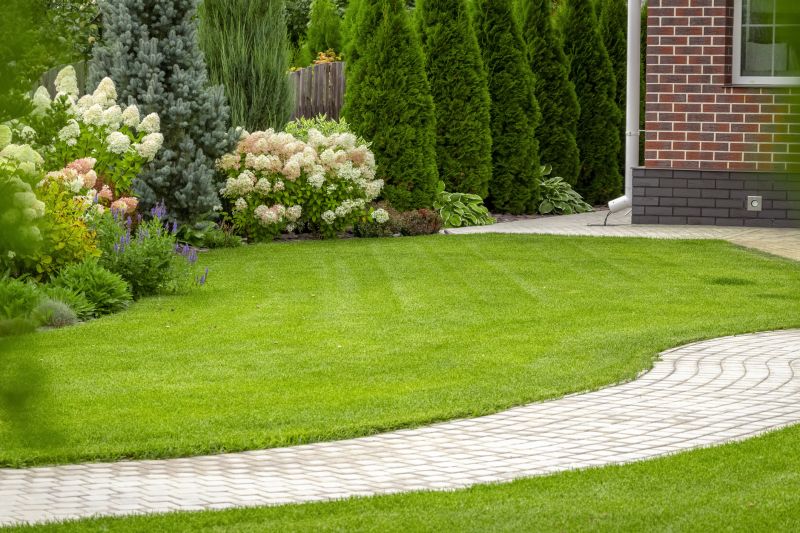
When homeowners explore options for enhancing their outdoor spaces, they often encounter the choice between concrete walkways and pavers. This decision typically arises during planning for a new walkway, driveway, or patio area. People searching for this topic are usually interested in understanding the differences in appearance, durability, and maintenance requirements of each material. They may be facing issues with existing walkways that have cracked or become uneven, or they might be starting fresh with a new property or renovation project. The goal is often to improve curb appeal, ensure safety, or create a functional pathway that complements the overall design of the property.
Concrete walkways are known for their straightforward installation and durability. They tend to be a practical choice for homeowners seeking a solid, long-lasting surface that requires minimal ongoing maintenance. Concrete can be poured into various shapes and sizes, allowing for customization to fit different property layouts. This option is often preferred on properties with a focus on functionality and low upkeep, such as residential homes with high foot traffic or commercial properties needing a durable path. Local contractors specializing in concrete installation can help homeowners understand the best methods to ensure a smooth, even surface that withstands weather and daily use.
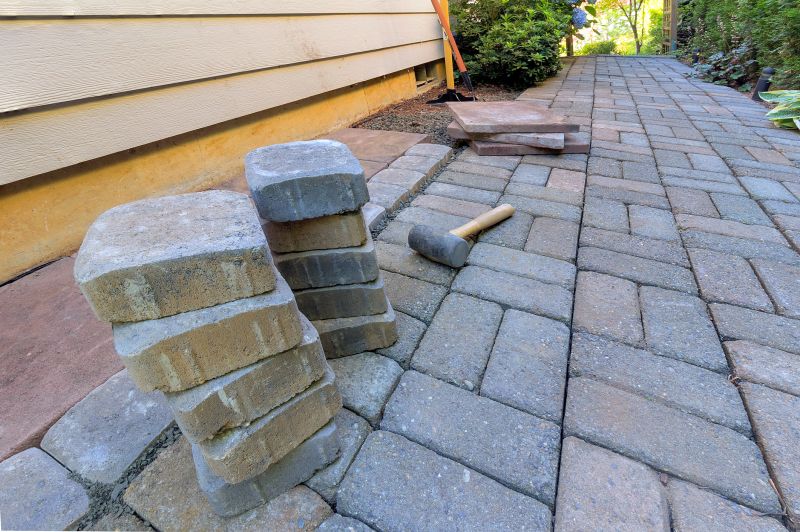
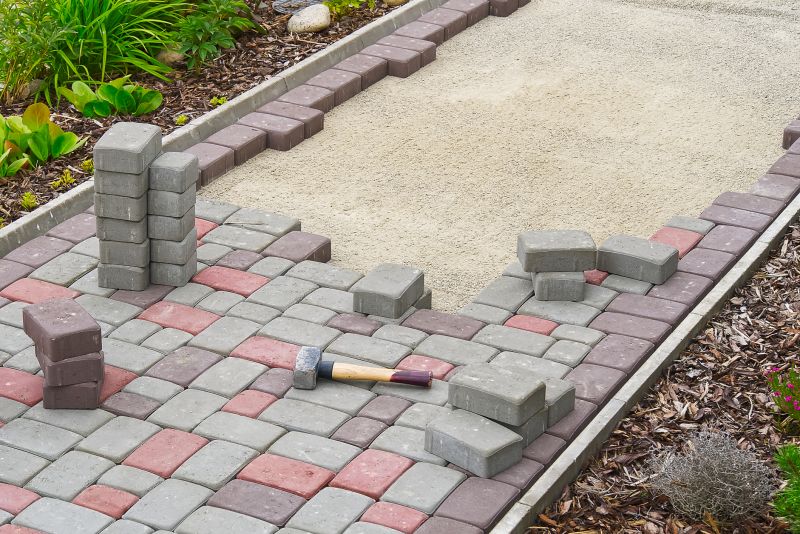
Pavers, on the other hand, offer a different aesthetic and functional appeal. Made from materials like brick, stone, or concrete, pavers are individual units that interlock to form a flexible and visually appealing surface. They are often chosen for their decorative potential, as pavers come in various colors, shapes, and patterns, making them suitable for enhancing the visual interest of a property. Pavers are also valued for their ability to be easily repaired or replaced if damaged, which can be advantageous for properties where customization or design flexibility is a priority. Local service providers experienced in paver installation can advise on the best materials and patterns to match the homeowner’s style and functional needs.
The types of properties that typically involve concrete walkways vs. pavers vary widely. Residential homes with straightforward pathways or driveways often lean toward concrete for its simplicity and durability. Alternatively, properties with distinctive landscaping or a desire for a more decorative look may opt for pavers, especially in areas like patios, garden paths, or entryways. Commercial properties, parks, and community spaces often use concrete for its robustness and ease of maintenance, while upscale residential properties may incorporate pavers to create a more refined appearance. Engaging with local contractors can help property owners assess their specific needs and choose the material that best complements their property’s style, usage, and long-term goals.
Patio and outdoor living space installations - professionals skilled in designing and building patios and outdoor areas often work with materials similar to those used in concrete walkways and paver projects, requiring planning and surface preparation skills.
Driveway paving services - local contractors experienced in driveway construction utilize similar techniques and tools as those needed for durable walkways and paved paths, making these projects closely related.
Landscape edging and border installation - installing borders around gardens or lawns involves planning and material selection comparable to paver and walkway edging work, requiring precision and planning skills.
Stamped concrete and decorative surface work - creating decorative concrete surfaces involves skills in surface preparation and finishing that align with the installation of concrete walkways and decorative pavers.
Retaining wall construction - building retaining walls requires knowledge of foundation work and structural planning similar to laying pavers or concrete walkways, often using comparable tools and techniques.
Concrete repair and resurfacing services - repairing or resurfacing existing concrete surfaces shares skills in surface preparation and finishing with new concrete walkway installations, making these projects related in scope and techniques.
When evaluating contractors for concrete walkway or pavers installation services, it’s important to consider their experience with similar projects. Homeowners should seek out service providers who have a proven track record of completing walkways comparable in size, style, and complexity to what is desired. An experienced contractor will understand the nuances of working with different materials and can offer insights into what tends to work best for a particular property’s landscape and usage needs. Reputable local contractors often provide references or examples of past work, allowing homeowners to assess the quality and durability of their previous projects. This helps ensure that the chosen professional has a history of delivering results that meet expectations and withstand the test of time.
Clear written expectations are essential when comparing local service providers for walkway or paver projects. Homeowners should look for contractors who provide detailed proposals that outline the scope of work, materials to be used, and the estimated process for installation. Transparent communication about project details helps prevent misunderstandings and ensures everyone is aligned on the outcome. Good communication also involves responsiveness to questions and the ability to explain different options, including the advantages and limitations of concrete versus pavers. Service providers who prioritize clarity and keep homeowners informed throughout the process tend to foster a smoother experience and better results.
Reputable references and strong communication skills are key factors in selecting the right contractor for concrete or paver walkways. Homeowners are encouraged to ask for references from previous clients or to view examples of completed projects. This provides insight into the contractor’s reliability, craftsmanship, and ability to work within agreed-upon specifications. Additionally, effective communication allows homeowners to voice their preferences and concerns, ensuring that the project aligns with their vision. Contractors who are transparent, approachable, and attentive to detail typically contribute to a more satisfying installation experience, helping homeowners make informed decisions about which option-concrete or pavers-best suits their property’s style and functional needs.
Property owners often search for concrete walkways vs. pavers: which option fits your property best when they are planning practical projects around their homes and businesses. Local pros provide Concrete Walkway or Pavers Installation services for everyday jobs and straightforward project options.
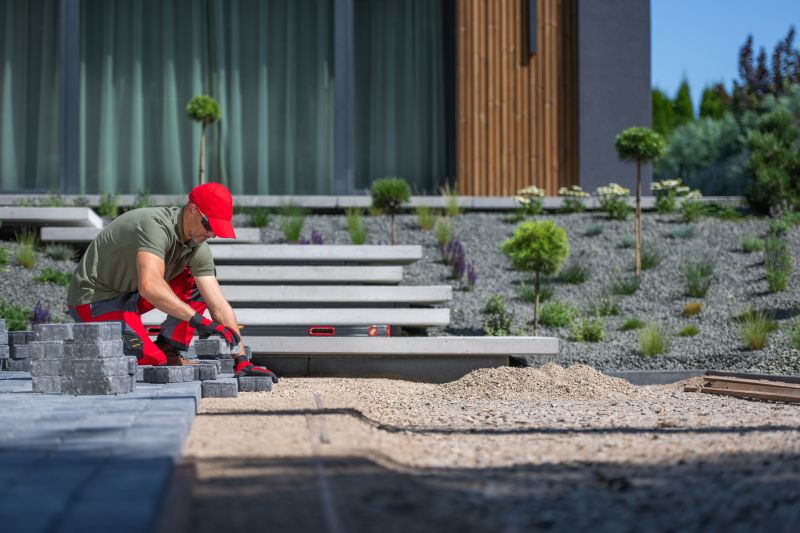
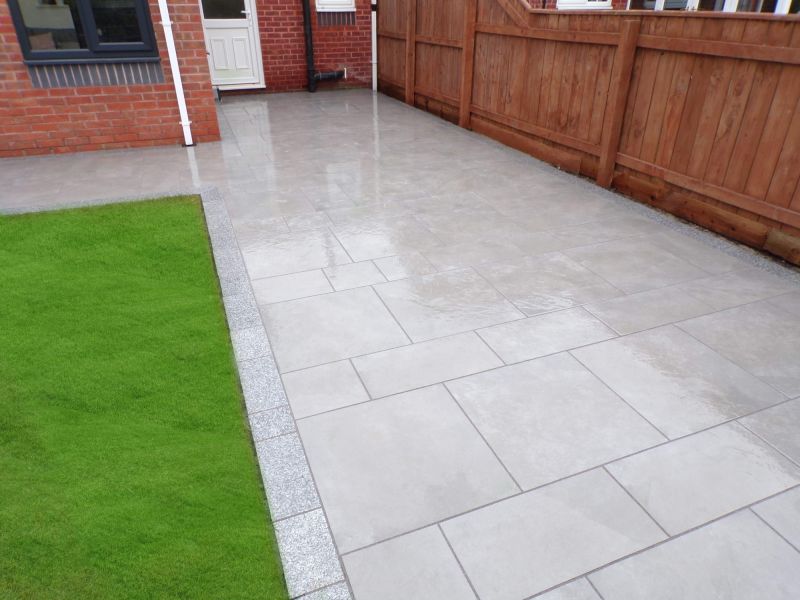
Many property owners in the area consider the differences between concrete walkways and pavers when planning outdoor improvements. Homeowners often look into this topic when updating a front path, creating a backyard patio, or replacing an aging walkway that no longer suits their property's style. Understanding the advantages of each option can help in making an informed decision that complements the property's aesthetic and functional needs. Local contractors specializing in walkway installation can provide guidance based on the specific conditions of the property, helping owners choose between the durability and low maintenance of concrete or the visual appeal and customization options of pavers.
For those weighing concrete walkways vs. pavers, practical considerations often come into play, such as the desired look, budget, and long-term maintenance. Many property owners seek out local service providers to explore which material best aligns with their outdoor space goals. Experienced contractors can assess factors like soil conditions and usage patterns to recommend the most suitable option. Whether opting for the straightforward installation of concrete or the versatile design possibilities of pavers, connecting with local experts can ensure the project meets both aesthetic preferences and practical requirements.
What are the main differences between concrete walkways and pavers? Concrete walkways are poured as a solid surface, offering durability and low maintenance, while pavers are individual units that can be easily replaced and offer a decorative appearance. Local contractors can help assess which option suits a property's style and usage needs.
How do concrete walkways compare to pavers in terms of durability? Concrete walkways are known for their strength and longevity, making them suitable for high-traffic areas. Pavers tend to be more resistant to cracking and can withstand ground movement better, with local service providers able to recommend the best choice based on soil conditions.
Are pavers or concrete walkways easier to maintain? Pavers generally require less maintenance since individual units can be replaced if damaged, and weeds are less likely to grow between them. Concrete walkways may need periodic sealing and crack repairs, which local pros can handle efficiently.
Which option offers more design flexibility for property aesthetics? Pavers come in a variety of colors, shapes, and patterns, providing greater customization options. Concrete walkways can be stamped or stained for decorative effects, with local contractors able to assist in creating a tailored look.
Can local service providers help decide whether concrete walkways or pavers are better for a property? Yes, experienced contractors can evaluate a property's specific needs, soil conditions, and desired appearance to recommend the most suitable walkway option and handle the installation accordingly.
Durability considerations - Property owners can evaluate the long-term wear of concrete walkways versus pavers by consulting local contractors who can recommend the best material for high-traffic areas.
Design flexibility - Those planning decorative or custom patterns might explore paver options, as local service providers can assist in creating unique layouts that enhance curb appeal.
Maintenance needs - Homeowners interested in low-maintenance solutions may choose concrete walkways, with local pros providing advice on upkeep and repairs for each option.
Installation conditions - For uneven or challenging terrains, property owners can rely on local contractors to determine whether concrete or pavers offer a more practical solution for their specific site.
If you are thinking about concrete walkways vs. pavers: which option fits your property best for a property, this guide is meant to help you understand this topic, the typical project types, and how different options might fit your plans.
When you are ready, you can use the quote form on this page to share a few details about your project. From there, local pros can review the basics and follow up with options that match what you have in mind.