ADA-Compliant Concrete Sidewalks: What Property Owners Need to Know
Property owners seeking ADA-compliant sidewalk construction can rely on local contractors to ensure accessible, safe, and legally compliant concrete walkways.
Property owners exploring ada-compliant concrete sidewalks: what property owners need to know are in the right place. Ensuring sidewalks meet accessibility standards is a practical step for those looking to improve safety, compliance, and usability around their properties. Whether managing a commercial space, residential community, or public area, understanding the requirements can help prevent potential legal issues and make spaces more welcoming for everyone. Local contractors experienced in ada-compliant sidewalk construction can provide valuable guidance and skilled craftsmanship to meet these standards effectively, making it easier for property owners to navigate the process.
Keeping accessibility in mind is especially important in areas with high foot traffic or where visitors with mobility challenges are common. Property owners who prioritize ADA compliance often find it benefits their community reputation and overall property value. As you read further, you'll discover how local service providers can assist with designing and building sidewalks that adhere to accessibility guidelines, ensuring safety and convenience for all users. Learning about the essentials of ada-compliant concrete sidewalks can help property owners make informed decisions and find trusted experts to handle the work efficiently.
- ADA-compliant sidewalk construction - property owners planning to upgrade existing walkways or install new accessible paths can rely on local contractors to ensure compliance with ADA standards.
- Sidewalk repair and leveling - when uneven or damaged concrete sidewalks pose accessibility issues, local service providers can perform necessary repairs to meet ADA requirements.
- Concrete sidewalk installation - property owners seeking to create accessible routes can work with local pros experienced in installing ADA-compliant concrete sidewalks.
- Accessibility upgrades for existing walkways - those looking to improve accessibility features on current sidewalks can find local contractors skilled in ADA-compliant modifications.
- Code-compliant sidewalk modifications - property owners needing to adapt or retrofit sidewalks for ADA compliance can connect with local service providers familiar with accessibility standards.
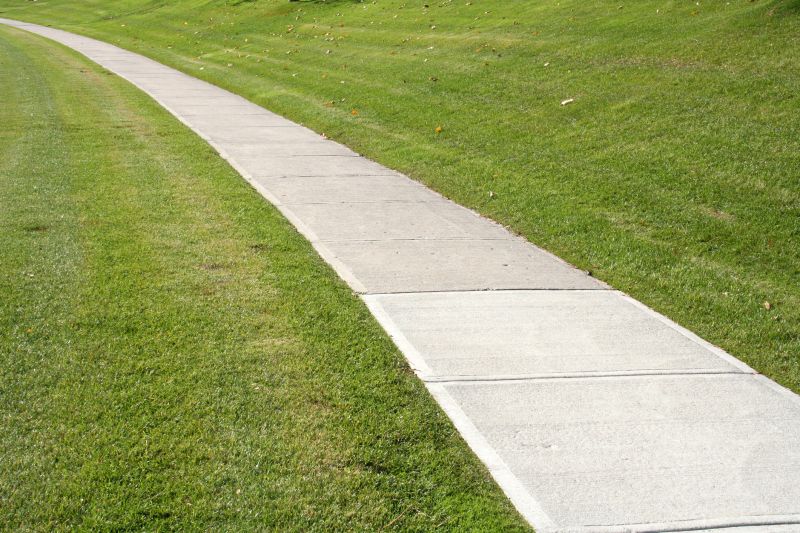

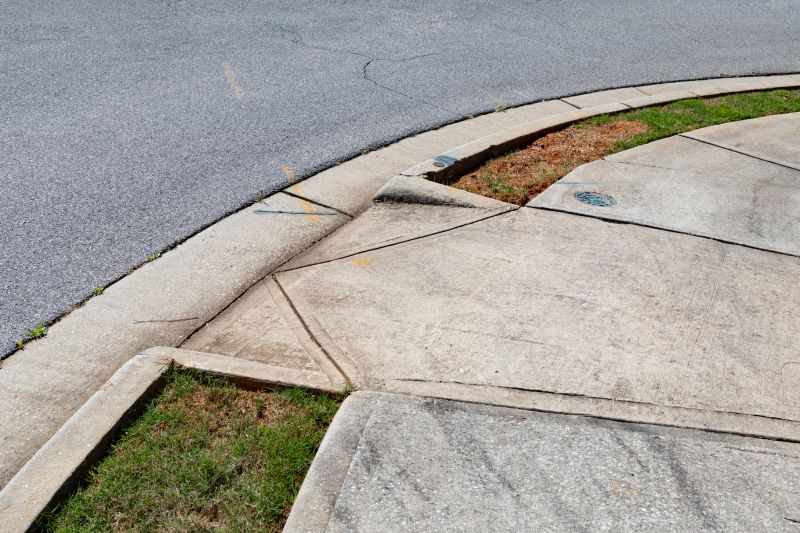
When property owners search for information about ada-compliant concrete sidewalks: what property owners need to know, they are often looking to understand how sidewalk design and construction impact accessibility. This includes ensuring that sidewalks are safe and usable for everyone, including individuals with mobility challenges. Such searches typically stem from a desire to meet legal requirements, improve access for visitors or residents, or prepare for property upgrades that prioritize inclusivity. Property owners may be planning renovations, new construction projects, or simply want to ensure existing sidewalks are up to code, which makes understanding the basics of ADA compliance essential for making informed decisions.
The topics connected to ada-compliant concrete sidewalks often involve addressing common accessibility problems, such as uneven surfaces, narrow pathways, or abrupt changes in elevation. These issues can create barriers for wheelchair users, people with strollers, or those with limited mobility. Property owners may also be considering plans to widen sidewalks, add ramps, or incorporate tactile indicators to improve navigation. Local contractors who specialize in ADA-compliant sidewalk construction can assess existing conditions, recommend modifications, and handle the installation of features that meet accessibility standards. These projects are often part of broader efforts to improve compliance, safety, and usability around commercial properties, public spaces, or private residences.
Properties that frequently come up in discussions about ADA-compliant sidewalks include commercial buildings, government facilities, residential complexes, and community parks. Commercial properties, such as retail stores and office buildings, are often required to have accessible pathways to serve customers and employees. Public spaces like parks and sidewalks along streets are also commonly involved, especially when city ordinances mandate accessibility improvements. Residential properties with multi-unit dwellings or aging infrastructure may seek to upgrade their sidewalks to ensure residents and visitors with disabilities can navigate safely. Local service providers who focus on ADA-compliant sidewalk construction understand the specific needs of these property types and can tailor solutions that align with local codes and standards.
Understanding how local contractors fit into the process of creating ADA-compliant concrete sidewalks is key for property owners planning these projects. These professionals bring practical expertise in assessing existing conditions, designing accessible pathways, and executing construction that adheres to ADA guidelines. They can handle tasks such as installing curb ramps, smoothing out uneven surfaces, and adding tactile indicators, all while working within the specific requirements of each property type. Property owners benefit from connecting with experienced service providers who are familiar with local regulations and best practices, ensuring that sidewalk upgrades not only meet legal standards but also enhance overall accessibility. This partnership helps property owners implement effective, compliant solutions that improve safety and inclusivity for all visitors and residents.
Sidewalk Repair and Resurfacing - local contractors who specialize in ADA-compliant sidewalk repair can help ensure existing pathways meet accessibility standards and maintain safety for all users.
Curb Ramp Installation - professionals experienced in curb ramp projects understand the requirements for accessible transitions and can coordinate with sidewalk construction efforts.
Accessible Pathway Design - local service providers can assist property owners in planning and designing accessible routes that align with ADA guidelines and local regulations.
Concrete Paving and Leveling - experts in concrete paving can create smooth, level surfaces essential for ADA compliance and safe pedestrian access.
Drainage and Grading Services - local contractors who handle drainage ensure that sidewalks remain level and accessible, preventing water accumulation and hazards.
Site Planning and Permitting Assistance - professionals experienced in site planning can help property owners navigate local regulations and obtain necessary permits for ADA-compliant sidewalk projects.
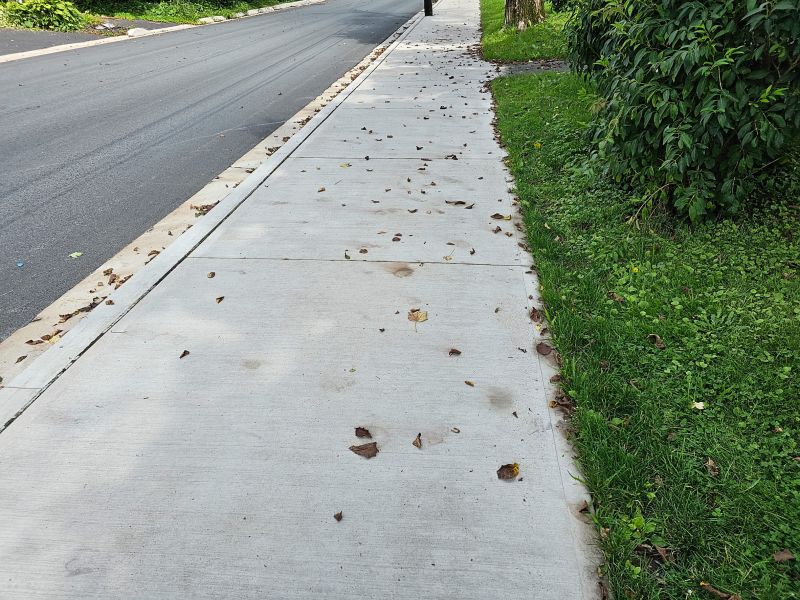
When evaluating service providers for ADA-compliant concrete sidewalks, property owners should prioritize experience with similar projects. Contractors who have successfully completed sidewalk installations that meet ADA standards are more likely to understand the specific requirements, such as proper slope, curb ramps, tactile indicators, and accessible pathways. Asking for examples of past work or references related to ADA compliance can offer insight into a contractor’s familiarity with these standards and their ability to deliver a compliant, durable sidewalk that aligns with accessibility guidelines.
Clear, written expectations are essential when selecting a local contractor for sidewalk construction. Property owners should seek detailed proposals that outline the scope of work, specific ADA features to be incorporated, materials to be used, and the timeline for completion. Having these expectations documented helps ensure everyone is aligned on project goals and reduces misunderstandings. It also provides a basis for comparing different service providers, making it easier to identify which contractor’s approach best matches the property owner’s needs and compliance goals.
Effective communication and reputable references are key indicators of a reliable contractor. Service providers who are transparent about their process and willing to answer questions demonstrate professionalism and a commitment to client satisfaction. Additionally, obtaining references from previous clients can reveal insights into the contractor’s reliability, quality of work, and ability to adhere to project specifications. Property owners should look for local pros who communicate clearly throughout the process, ensuring that expectations are managed and any concerns are addressed promptly, ultimately leading to a smoother experience in achieving ADA-compliant sidewalks.
Property owners often search for ada-compliant concrete sidewalks: what property owners need to know when they are planning practical projects around their homes and businesses. Local pros provide ADA-Compliant Sidewalk Construction services for everyday jobs and straightforward project options.
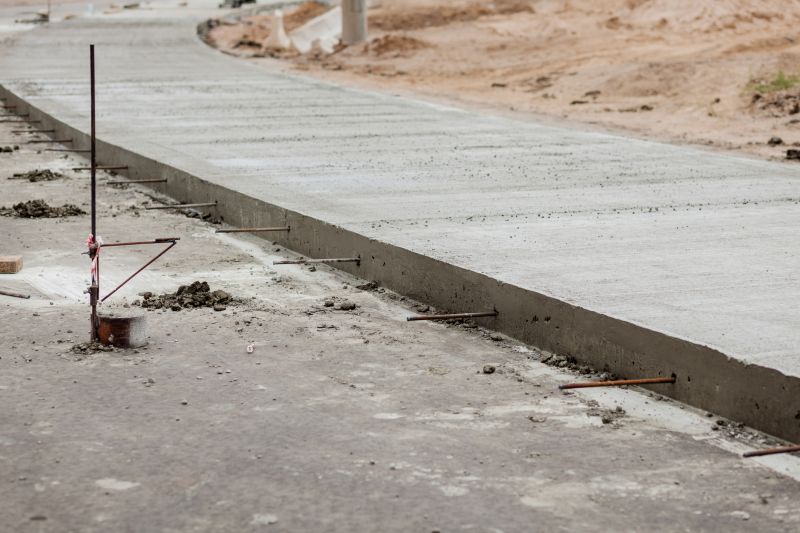
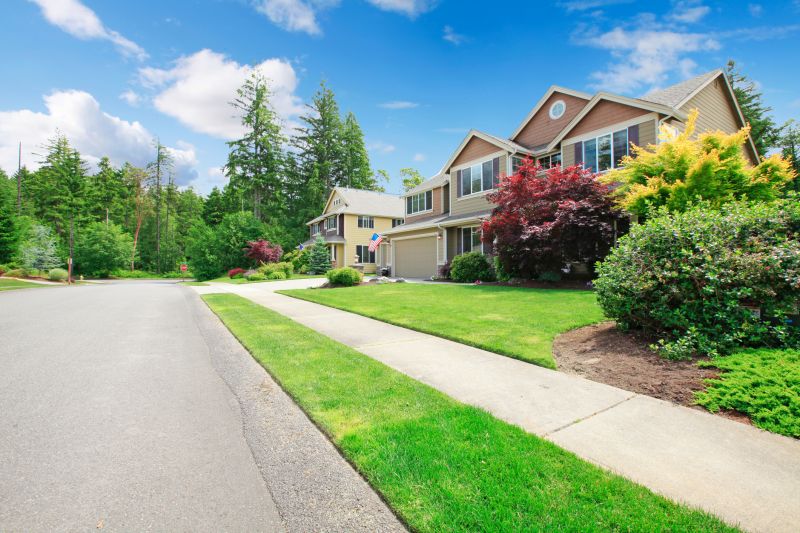
Property owners in the area often look up information about ada-compliant concrete sidewalks to ensure their properties are accessible and meet legal standards. Whether planning a new sidewalk installation or upgrading existing walkways, understanding the requirements can help prevent potential accessibility issues and avoid future modifications. Many property owners consider hiring local contractors who specialize in ADA-compliant sidewalk construction to handle the project efficiently and in accordance with guidelines, ensuring that sidewalks are smooth, properly graded, and accessible for all users.
In everyday project situations, property owners might need to replace damaged or outdated sidewalks or add new pathways to meet accessibility needs. Connecting with experienced service providers can simplify this process, as they understand local building codes and ADA standards. These professionals can evaluate the site, recommend suitable solutions, and handle the construction to create safe, compliant walkways that serve everyone. For those seeking reliable, expert assistance, exploring local sidewalk construction services can provide peace of mind and a clear path toward accessible outdoor spaces.
What are the main requirements for ADA-compliant concrete sidewalks? ADA-compliant concrete sidewalks must have a maximum slope of 1:12, proper curb ramps, and accessible width to ensure they are usable by individuals with disabilities. Local contractors can help ensure these specifications are met during construction or renovation.
Why is proper slope important for ADA-compliant sidewalks? Proper slope prevents tripping hazards and ensures wheelchair accessibility, making the sidewalk safe and usable for everyone. Experienced service providers can design and build slopes that comply with ADA standards.
What features should I include to make my sidewalk ADA accessible? Features such as curb ramps, tactile warning surfaces, and adequate width are essential for accessibility. Local sidewalk construction experts can incorporate these elements into their projects.
Are there specific materials recommended for ADA-compliant sidewalks? Concrete is the most common material used, as it can be poured to meet slope and width requirements. Local pros can advise on quality materials that meet ADA guidelines and durability standards.
How can I ensure my sidewalk remains ADA compliant over time? Regular maintenance, timely repairs, and adherence to ADA guidelines during any modifications are key. Local contractors can provide ongoing support to keep sidewalks compliant and safe.
Understanding ADA guidelines - Property owners can work with local contractors to ensure sidewalk designs meet ADA accessibility standards for smooth, even surfaces.
Planning for proper slope and curb ramps - Incorporating appropriate slopes and curb ramps in sidewalk projects helps improve access for all users, with local pros guiding the installation.
Choosing durable, slip-resistant materials - Selecting concrete mixes that provide slip resistance and longevity can be coordinated with local service providers to enhance safety.
Ensuring proper sidewalk width and clearance - Designing sidewalks with adequate width and unobstructed pathways allows for easier navigation, with local contractors helping to meet these requirements.
If you are thinking about ada-compliant concrete sidewalks: what property owners need to know for a property, this guide is meant to help you understand this topic, the typical project types, and how different options might fit your plans.
When you are ready, you can use the quote form on this page to share a few details about your project. From there, local pros can review the basics and follow up with options that match what you have in mind.